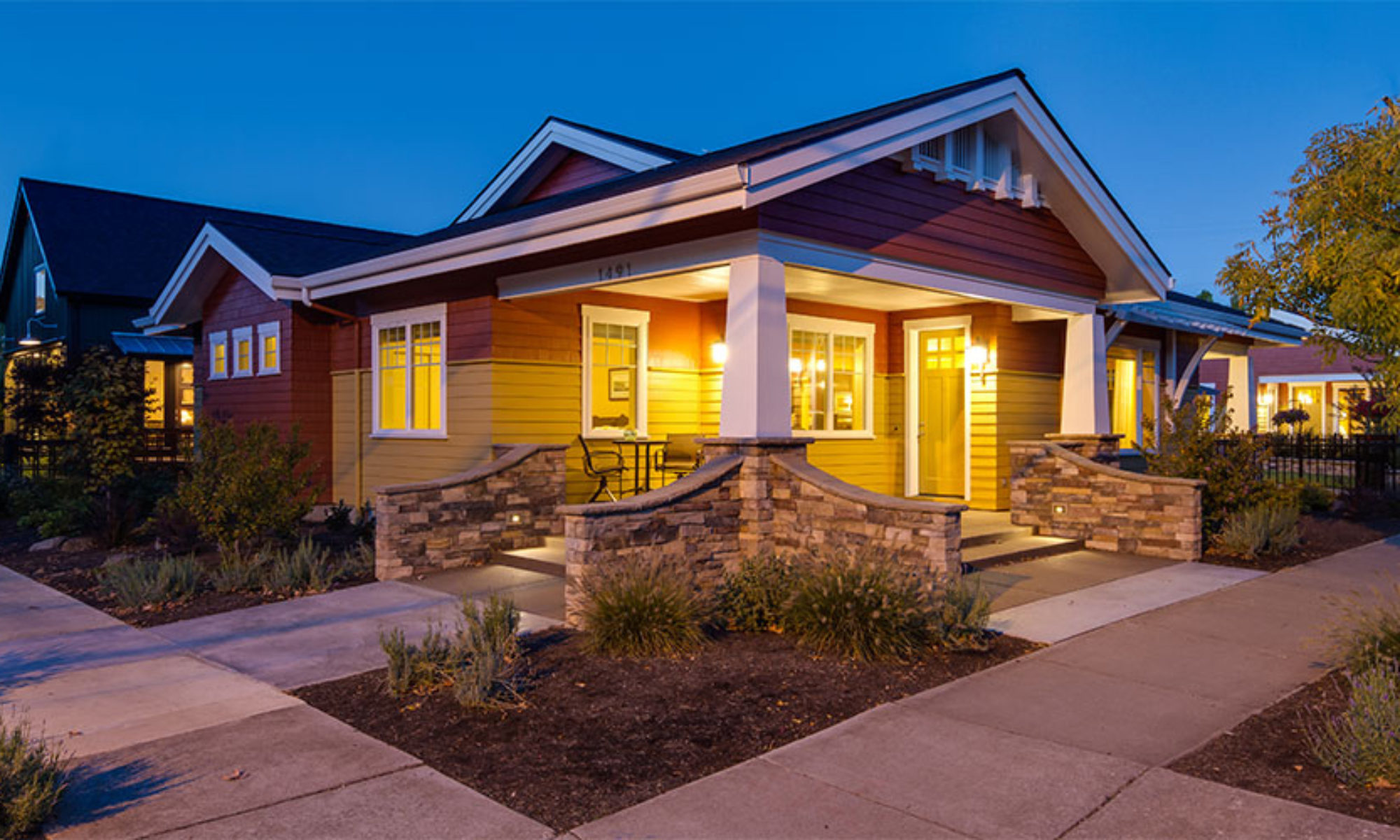
See, I got the title down to one word. In our plan, we have this room right off the living room. It’s one of those multi-use use rooms that help save money, space and consumption. Our three bedroom house won’t have the third bedroom sitting vacant all the time.
The Lawrence Street House – Plumbing
One way to save energy is through a compact plumbing design. One of our goals as we laid out the design was to keep the plumbing — especially the hot water runs — as short as possible.
Saving Water
But a lot of the world doesn’t have access to good, clean water. So why should I care? I should care because there is only so much water in the world. And being less wasteful is always a good thing. Americans use, on average almost 70 gallons of water per day per person. That’s a huge amount of water. And if we simply installed more water efficient fixtures and regularly checked for leaks, we could reduce that by about 35% to about 45 gallons per day. Not quite “half”, but darn close.Phantom Electricity
Newer TVs and devices can get an Energy Star rating, and that’s better, but plug strips are becoming very popular. We have a TV/DVD/Apple TV in our bedroom. The TV and DVD are Energy Star and draw barely 1 to 3 watts while off (that’s not bad, but two devices x 3 watts x 24 hours x 365 days adds up). Plus, as big a fan as I am of Apple, our Apple TV (an older model, I’m an early adopter), was drawing 29 watts just sitting there!White
If we adjust the amount of clothing we own so that we are able to run full loads of wash, not partial loads (and not even “almost full” loads), we will save water. So actually doubling the amount of underwear we own may ultimately save in the long run. So you see, it’s not just about doing with less, it’s about being smart about what we do.The Lawrence Street House – Schematic Pt 2
As we started the design, we looked at our relationships of rooms to each other (from our notebook), the aspects of the rooms we wanted (the den needed to also double as a guest bedroom) and the relationships of all of this to the outdoor living areas of our lot and our relationship to the neighborhood.
The Lawrence Street House – Site Analysis
I know this wasn’t a one word title; sorry. Before we start designing (and the excitement of getting started builds, so there’s still that temptation. Resist!), we take a really good look at the site. We call this our site analysis. Yeah, not very creative, but accurate.
The Lawrence Street House – Schematic Pt 1
We’ve started the design. After we synthesize the notebook (it’s good to organize your thoughts, even when designing your own home), we started sketching. I plotted out a scale site plan with the surrounding houses, trees, streets, etc.
The Lawrence Street House – Programming


Grouping Your Trips
Depending on how you drive or get around, you might be able to “halve” your gasoline consumption. I used to think that riding my bike or the bus to work would save a majority of my gasoline consumption. But I recently learned that the majority of our VMTs (vehicle miles traveled) are NOT going to and from work. They are in the day-to-day trips to the grocery store, school, restaurants and the like.
Trips to and from work only account for about 30% to 40% of our VMTs. Now I’m not saying that riding my bike to work doesn’t have an impact or isn’t substantial, after all, 30% to 40% is still a pretty big chunk of consumption. What I’m saying is trips to and from work are kind of a given. Five days a week, same times of day and mostly incoming and outgoing with little variety or opportunity is more difficult to reduce than the trip to the grocery store, back home and, oops, I need to go here, then there.
Plan out your trips. If you need to go by the bank, try and group it with another trip in that general direction. If we only grouped two trips instead of just one, we would be well on our way to “halving” it all.
